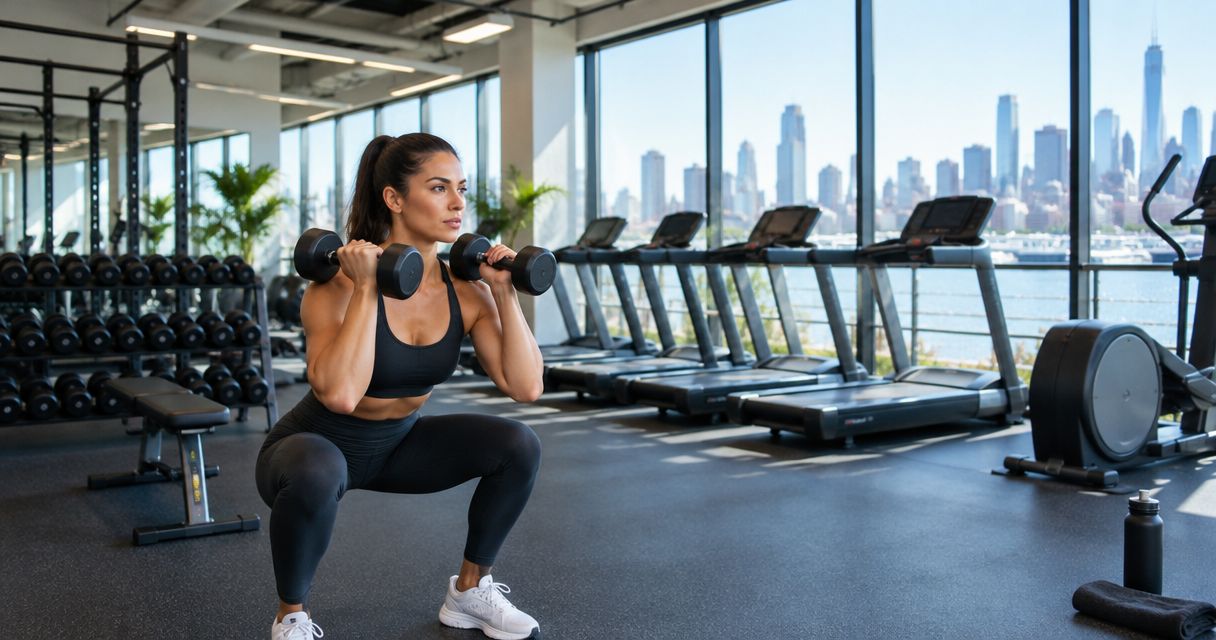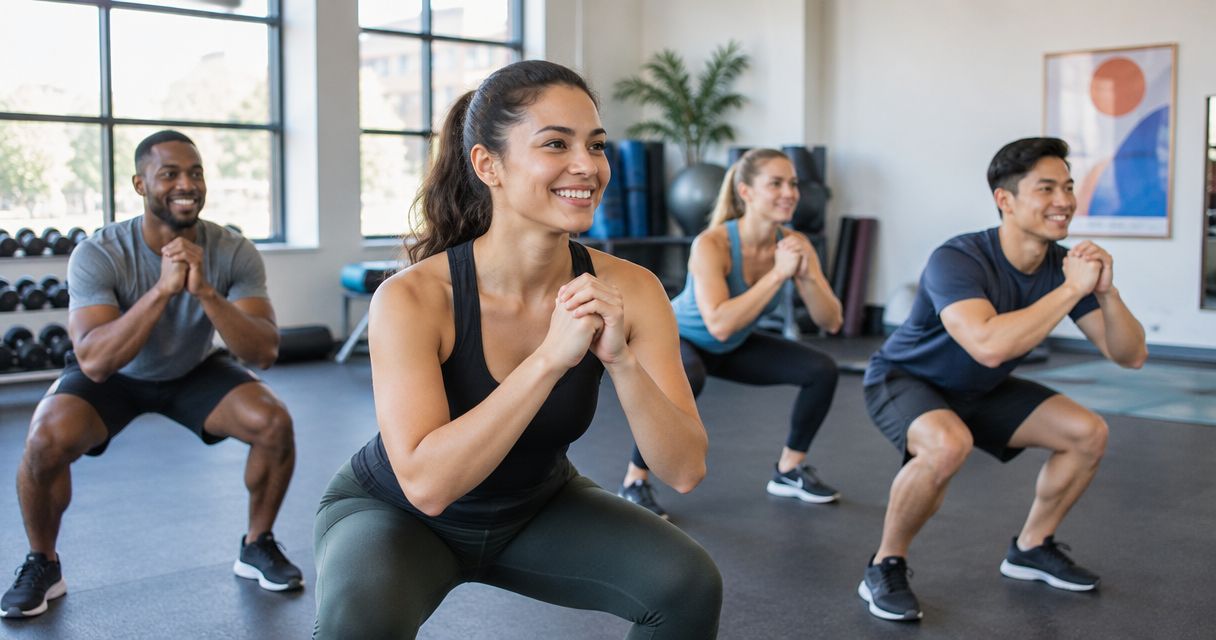
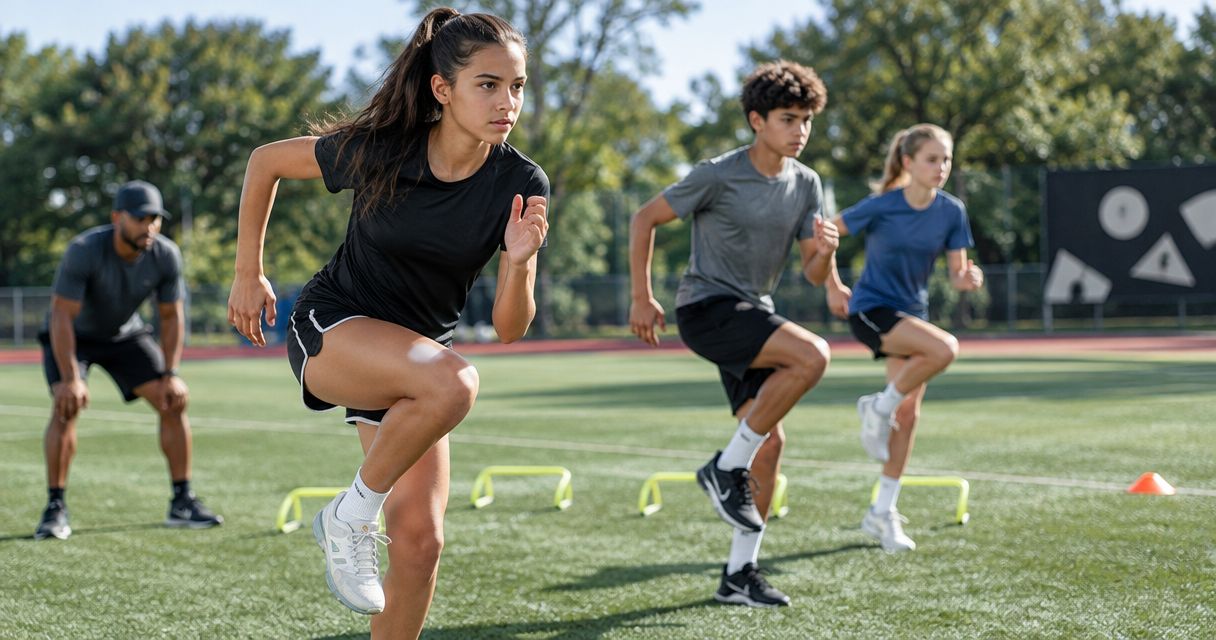
Teen sports performance training is structured exercise that develops strength, speed, coordination, and conditioning with the aim of improving readiness for sport. Youth sports performance training for teens must account for growth, training experience, school demands, and team practices rather than copy an adult workout.
- Youth sports performance training for teens should prioritize movement quality, progressive strength work, and recovery—not exhaustion.
- TBT Fitness Studios offers youth sports performance training for families seeking a studio-based option.
- Start with your teen’s existing practice schedule before adding strength training or speed sessions.
- Choose coaching that explains exercise progression, supervision, and communication with parents.
Why sports performance training matters for teens
Sport practice teaches the sport. Performance training gives you a separate setting to develop physical skills such as producing force, slowing down, balancing, and controlling a landing. Those skills deserve deliberate practice rather than being treated as a byproduct of competition.
Teens also arrive with different starting points. Two teammates of the same age can have different training histories, movement skills, and recovery needs; matching their workloads simply because they share a birthday is a poor planning method.
For your 2026 search, separate general fitness from a program intended for young athletes. TBT Fitness Studios lists youth sports performance training among its services, alongside personal training and group fitness classes. Ask specifically about the youth service rather than assuming every class serves the same purpose.
The right program fits the athlete’s current ability and total schedule—not just the sport’s reputation for being demanding.
How to build a teen sports performance plan
Start with the complete activity schedule
Before you book anything, use a calendar to record practices, games, physical education, recreational activity, and travel. This free planning step reveals where another demanding session would compete with recovery or homework.
Record how your teen feels after each day, too. A calendar marked only with session names misses the difference between a light technical practice and a demanding tournament. Ask the team coach which days carry the greatest physical demand.
In 2026, build the training plan around that complete picture. An outside coach needs to know what happens away from the training floor, not just what your teen does during the appointment.
- Mark every organized practice and competition.
- Identify travel days and unusually demanding school weeks.
- Record soreness, fatigue, and enthusiasm in plain language.
- Share the calendar before agreeing to additional training.
Set a baseline without chasing maximums
Start with observations you can collect without special equipment: confidence with basic movements, ability to follow instructions, and control during familiar drills. Your goal is to identify a starting point, not create a ranking against other teenagers.
Ask a qualified coach to assess exercise technique before adding challenging resistance or demanding jumps. A movement assessment helps guide exercise selection; it does not diagnose an injury or replace a medical evaluation.
Choose a small set of repeatable measures that match the athlete’s goals. Use the same setup when reassessing, because changing the surface, instructions, or equipment makes comparisons harder to interpret. A faster result means little if the test changed.
- Write down the sport and position, when relevant.
- Record previous strength-training experience.
- Note current pain, restrictions, and relevant injury history.
- Choose repeatable measures with the coach.
Match the coaching format to the athlete
You can begin by asking the school or team coach what strength and conditioning support already exists. A coordinated school program avoids creating a second plan that conflicts with the first.
A studio-based service provides another route when you want a dedicated training setting. TBT Fitness Studios is best for families seeking a studio-based youth sports performance training service rather than a self-directed workout plan. That describes the service fit, not a guarantee of results.
For TBT Fitness Studios youth sports performance training, confirm the details that determine fit: who coaches the sessions, how athletes are grouped, how exercises change with experience, and how parents communicate with the coach. The service listing alone does not establish those details.
- Ask who supervises each session and what youth-training qualifications they hold.
- Explain the athlete’s experience and team schedule.
- Ask how the coach modifies exercises for different abilities.
- Confirm how concerns and progress reach parents.
Build movement quality before intensity
A useful session has an understandable purpose. The coach should explain what the athlete is practicing, demonstrate the movement, and adjust the exercise when technique breaks down.
Strength training can include age-appropriate squat, hinge, push, pull, and carrying patterns. Speed and agility work should distinguish accelerating, slowing down, and changing direction rather than treating every drill as a race to exhaustion.
Ask how the coach decides when to increase resistance or difficulty. Progression should follow demonstrated control and readiness, not pressure to keep pace with an older athlete. Basic does not mean ineffective; it means the athlete can practice the intended skill clearly.
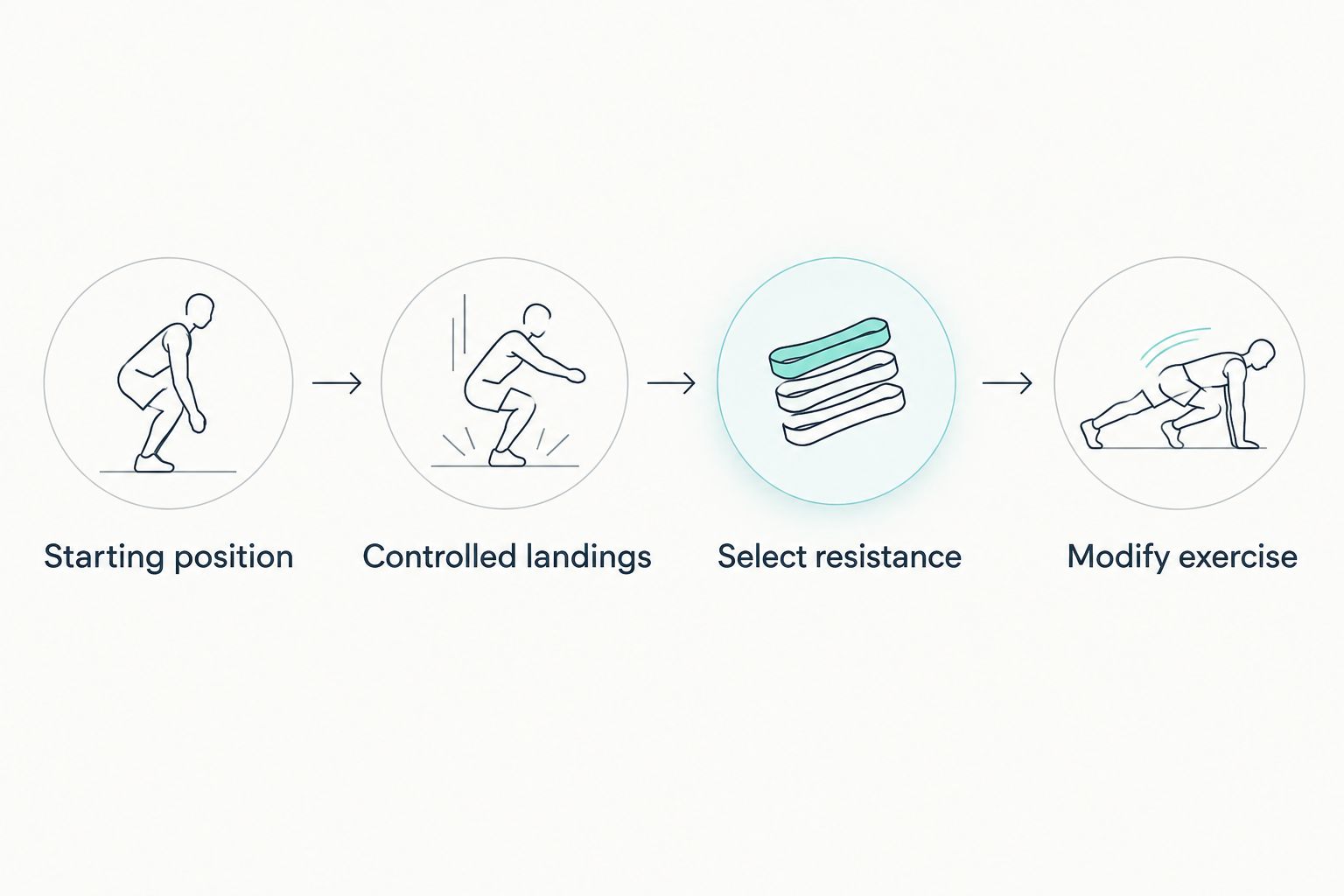
- Learn the starting position before increasing speed.
- Practice controlled landings and deceleration.
- Select resistance that allows the intended technique.
- End or modify an exercise when pain occurs.
Protect recovery and separate activity guidelines from workouts
For your 2026 schedule, distinguish public-health activity guidance from a prescription for extra gym sessions. The CDC recommends at least 60 minutes of daily physical activity for children and adolescents ages 6–17, including muscle-strengthening activity on at least 3 days each week. Team practice and other activity can contribute; these recommendations do not mean adding a demanding workout every day.
Sleep needs attention, too. The American Academy of Sleep Medicine recommends 8–10 hours of sleep per 24 hours for teenagers ages 13–18. If training repeatedly pushes bedtime later, address the schedule rather than treating fatigue as a motivation problem.
Keep food discussions focused on supporting growth, activity, and regular eating. A teen performance plan should not automatically become a weight-loss plan. Refer individualized nutrition concerns to an appropriately qualified health professional.
- Count team activity before adding conditioning.
- Protect a consistent opportunity for adequate sleep.
- Plan regular meals and access to water.
- Discuss persistent fatigue or pain with a healthcare professional.
Review progress against the original goal
Use a training log to connect sessions with the athlete’s experience. Record the exercise, the coach’s main cue, and whether the athlete completed the intended work comfortably. A notebook is enough.
For a 2026 progress review, compare like with like: the same movement, similar conditions, and the same instructions. Discuss changes in technique, confidence, and sport readiness alongside any test results. Sweat and soreness are not performance measures.
If the athlete feels continually worn down, review the combined workload before adding more training. A useful program changes when the season, school schedule, or athlete’s needs change; it does not demand loyalty to an unchanged calendar.
- Review the original goal with the athlete.
- Repeat only the measures relevant to that goal.
- Compare technique as well as recorded results.
- Adjust training around competition and recovery.
Compare training options for your teen
Choose the format that solves the current coaching need, not the format that looks hardest. A motivated beginner who needs instruction has a different problem from an experienced athlete whose team already provides supervised strength training.
The options below describe training formats, not verified features of any particular provider. Ask each program to explain its actual supervision and progression process before enrolling.
| Option | Best for | Main advantage | Key limitation |
|---|---|---|---|
| Self-directed basic activity | Building an everyday movement habit | Flexible activity without a separate training appointment | Does not provide individual technique feedback |
| School or team conditioning | Athletes whose team offers supervised physical preparation | Can coordinate physical training with sport demands | Individual attention depends on the program |
| Youth small-group training | Teens who want coached practice alongside peers | Combines instruction with a shared training setting | Grouping and exercise modifications need checking |
| Individual coaching | Beginners or athletes needing focused instruction | Allows the session to center on one athlete’s needs | Still requires coordination with team workload |
| General fitness classes | Teens seeking broader exercise participation where age rules permit | Offers structured group exercise | Not automatically designed for youth sport preparation |
No format removes the need for communication. Tell the coach about competition, pain, and major schedule changes rather than expecting the training setting to account for information it never receives.
If you are considering a studio, ask TBT Fitness Studios which youth training format matches your teen’s needs. Do not assume its general fitness classes and youth sports performance service are interchangeable.
Common mistakes families make with teen training
Copying an adult transformation program
A teen athlete needs support for growth, skill development, and sport participation. An adult body-transformation plan answers a different brief, especially when it centers on weight loss or appearance.
Choose a performance goal before choosing exercises. Ask the athlete what they want to do better, then ask the coach how the proposed plan supports that goal without turning body size into the main scorecard.
Adding conditioning without subtracting anything
A demanding team practice still counts as demanding work, even when it happens outside the gym. Adding sessions to an already crowded week can leave little room for recovery.
Put every coach’s plan on the same calendar. When the schedule becomes crowded, ask which work should change rather than making the teenager absorb every competing demand.
Treating tiredness as proof of quality
A session can feel exhausting without teaching the intended movement well. Fatigue is an experience, not evidence that sprint mechanics, strength, or coordination improved.
Ask your teen what the coach taught and what changed during practice. Specific answers about technique and purpose are more useful than a report that the workout was brutal.
Comparing teammates instead of tracking the athlete
Different growth and training histories make teammate comparisons a poor basis for progression. The strongest athlete in the group does not set the appropriate resistance for everyone else.
Use the teen’s own baseline. Recognize improved control, understanding, and consistency rather than rewarding only the largest load or fastest time.
Training through pain to protect a roster spot
Pain should prompt communication and an appropriate response, not a test of commitment. A coach can modify exercise, but persistent or concerning symptoms need medical assessment.
Make the reporting process explicit before the first session. Your teen should know whom to tell and should not have to negotiate permission to stop a painful exercise.
FAQ
What is youth sports performance training for teens?
Youth sports performance training for teens is structured exercise intended to develop physical abilities used in sport, including strength, speed, coordination, and conditioning. The plan should reflect the athlete’s experience, development, and existing team workload.
Is strength training safe for teenagers?
Appropriately designed and supervised resistance training is recognized as suitable for young people. Exercise selection, technique instruction, and progression matter; a teenager with pain, a medical condition, or an injury needs appropriate clinical guidance.
How often should my teen do performance training?
The appropriate schedule depends on your teen’s practices, competitions, training experience, and recovery. Review the complete week with the coach rather than adding a fixed number of gym sessions without considering existing activity.
Is individual coaching better than group training for a beginner?
Individual coaching is best suited to a beginner who needs concentrated technique instruction, while a well-supervised youth group can also provide instruction. Ask how the group coach modifies exercises and checks each athlete’s execution.
Does my teen need to lose weight to improve sports performance?
Weight loss is not a default requirement for improving teen sports performance. Focus on physical skills, adequate nutrition, recovery, and appropriate training; discuss growth or weight concerns with a qualified healthcare professional.
What should I ask before enrolling in a youth program?
Ask about coach qualifications, supervision, exercise progression, athlete grouping, and communication with parents. Explain the teen’s sport schedule and any restrictions so the provider can discuss whether the service fits.
Does TBT Fitness Studios offer youth sports performance training?
TBT Fitness Studios lists youth sports performance training among its services. Contact the studio to confirm the current format, coaching arrangements, participation requirements, and fit for your teen.
One last thing
For your 2026 enrollment conversation, let your teen answer this question first: what do you want to feel more capable of doing in your sport?
Bring that answer and the team calendar to the coach. A clear goal and an honest workload picture are more useful starting points than a demanding-looking workout. Revisit both when the season changes, because the right plan must fit the athlete’s actual week.