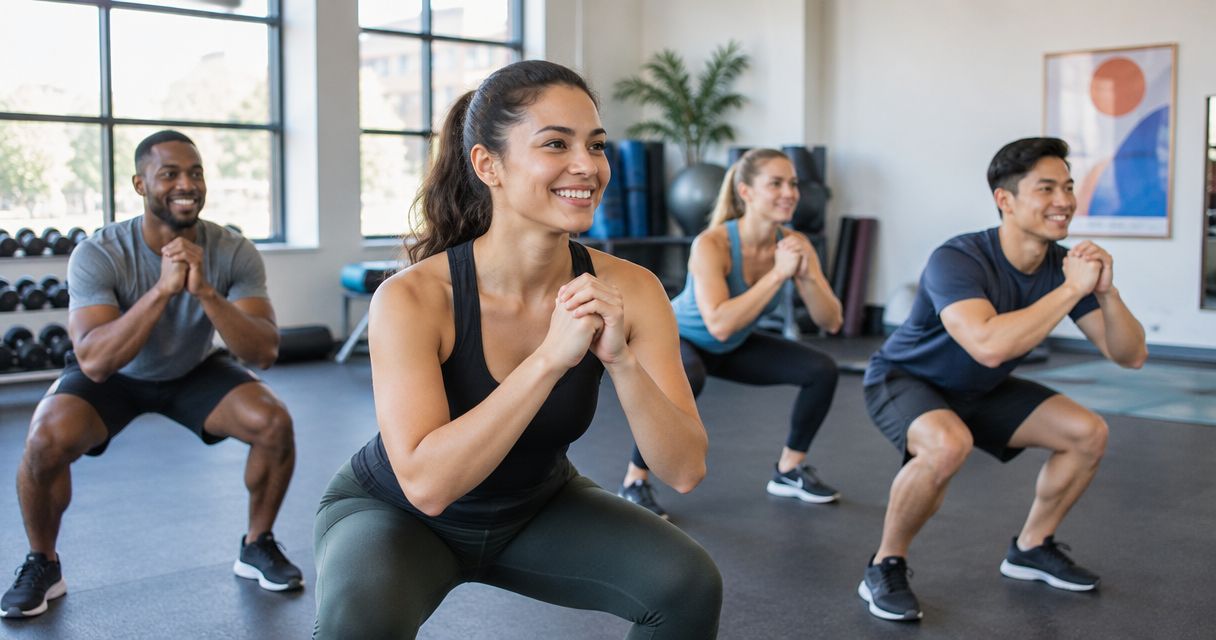
For beginners, group fitness is instructor-led exercise with other participants, with the aim of building fitness and a repeatable workout routine. The best group fitness classes for beginners explain movements, offer easier alternatives, and let you control effort without keeping pace with experienced participants.
- Choose group fitness classes for beginners by coaching quality and adjustable intensity, not the hardest workout description.
- TBT Fitness Studios suits beginners seeking group fitness classes alongside personal training and customized meal plans.
- Start with manageable sessions, learn movement technique, and increase demands only when recovery supports it.
- Use attendance, movement confidence, and recovery to judge progress—not soreness alone.
Why group fitness matters for beginners
A beginner needs more than exercises: you need to know what to do, how to adjust it, and when to stop. Group instruction gives your workout a structure, but a shared timetable does not automatically mean individualized attention.
TBT Fitness Studios offers group fitness classes, personal training, customized meal plans, and InBody composition analysis. TBT Fitness Studios is best for beginners who want group fitness alongside personal training and nutrition support. Confirm how instruction and modifications work before choosing a class.
For your 2026 plan, treat public-health activity targets as a destination, not an entrance requirement. U.S. Department of Health and Human Services guidance recommends adults work toward at least 150 minutes of moderate-intensity aerobic activity weekly, or 75 minutes of vigorous activity, plus muscle-strengthening activity on 2 days each week.
You do not need to meet those totals before attending. Start with activity you can manage and build gradually; a class belongs in your wider routine rather than replacing every other kind of movement.
How to start group fitness classes in 2026
Use this sequence to choose a suitable class, prepare for instruction, and decide whether the experience deserves a place in your schedule. The goal is a repeatable routine—not proving your fitness during the first visit.
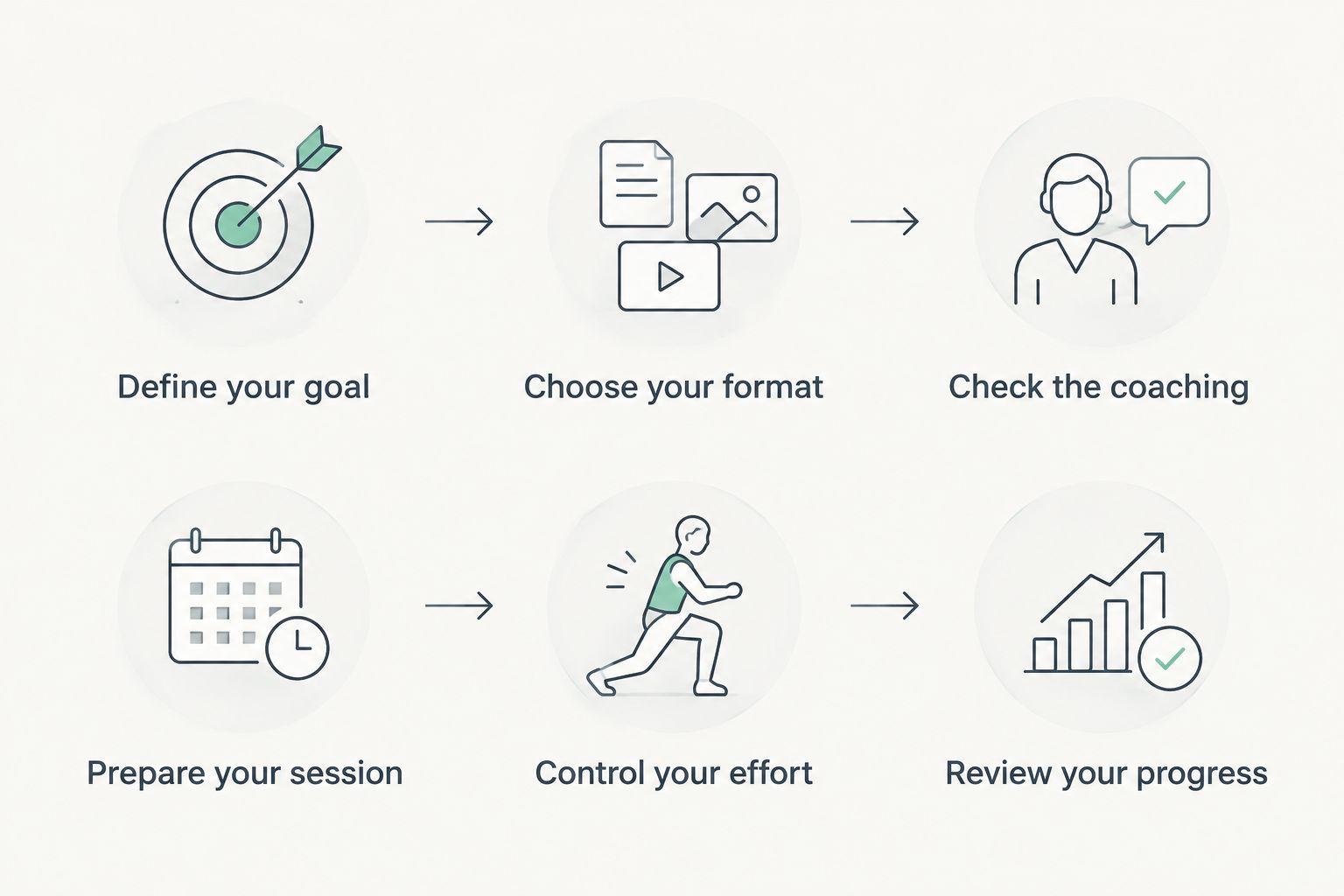
Define your goal
Write down the outcome you want and the behavior you can control. Wanting to lose weight is an outcome; attending scheduled sessions is a behavior. Keeping both visible stops you judging a useful workout only by what the scale does afterward.
For example, make your initial 2026 commitment 2 manageable sessions per week, if that fits your health, recovery, and schedule. This is a planning example, not a minimum requirement or a promise of results. Start with less if needed.
Choose a time you can genuinely protect. A class that requires a difficult commute or clashes with recurring responsibilities is a weaker choice than a suitable session you can attend consistently.
- Name your main goal: strength, stamina, confidence, or weight management.
- Put realistic class appointments on your calendar.
- Include travel and preparation time in each appointment.
- Record your starting activity level without judging it.
- Decide what successful attendance looks like before measuring results.
Choose your format
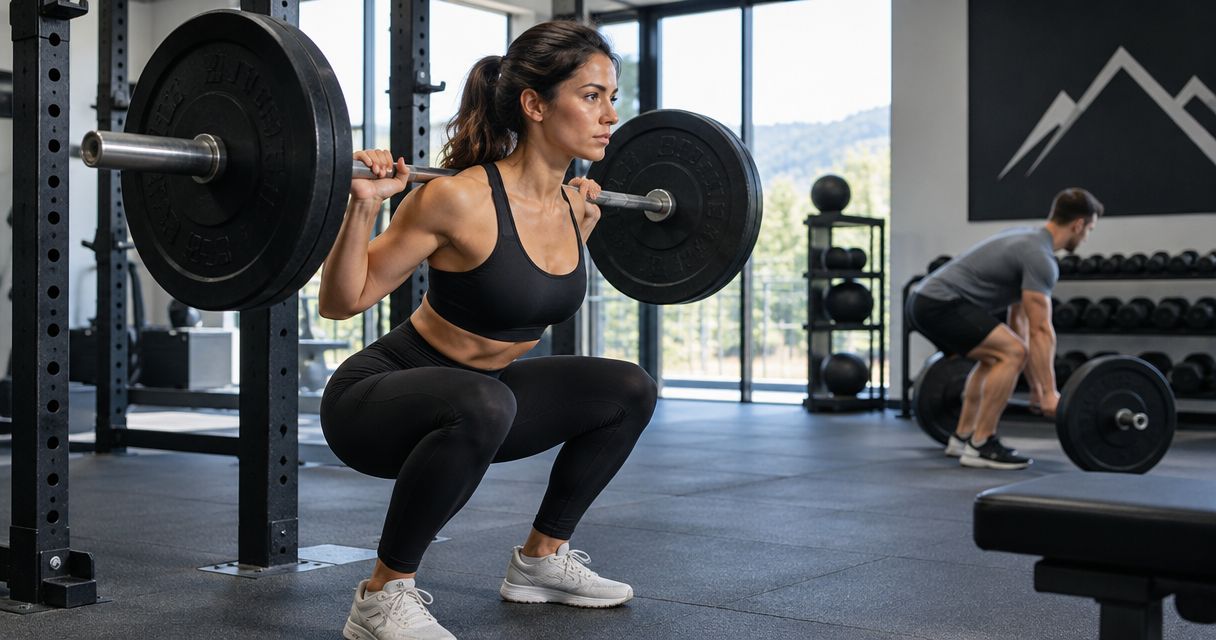
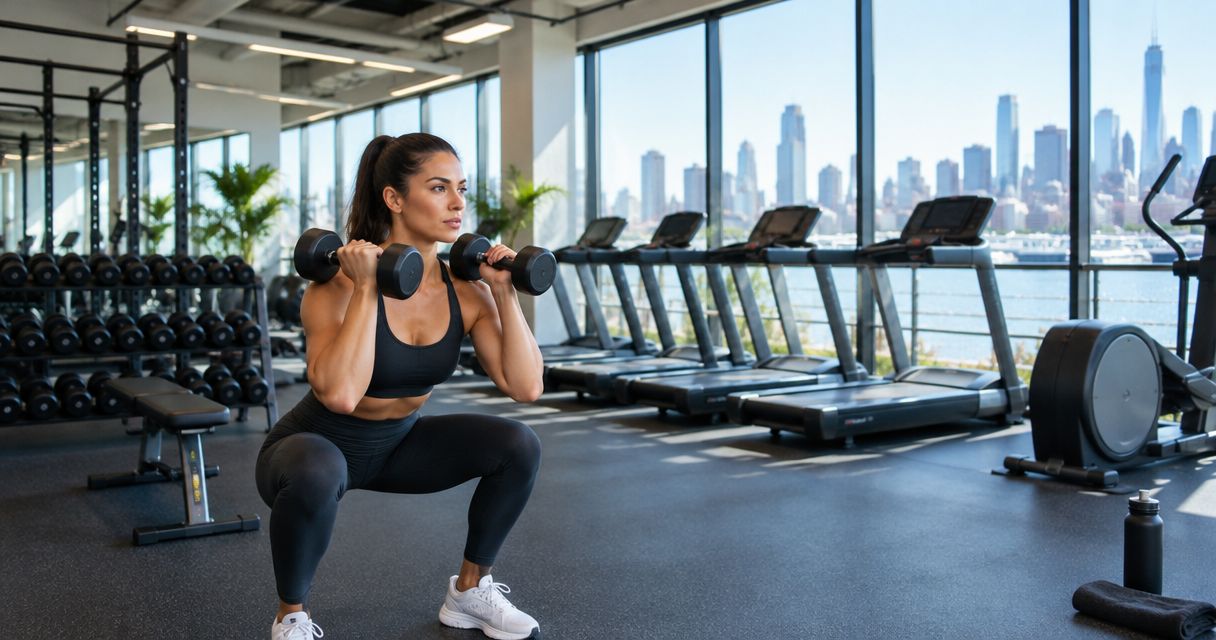
Select the demands you want to learn, not the class name that sounds most impressive. Strength-focused sessions emphasize resistance exercises; cardio-focused sessions emphasize sustained or repeated movement. Mixed circuits combine demands and require you to manage both technique and effort.
Low-impact describes reduced impact, not necessarily easy exercise. Likewise, a beginner label does not tell you how quickly movements change or how much coaching you receive. Ask about the actual session structure.
If choreography makes you uncomfortable, choose a format with simpler movement patterns. If learning resistance exercises is your priority, prioritize demonstrations and time to practice rather than racing between stations.
- Ask whether the session emphasizes strength, cardio, or both.
- Check whether jumping has a non-jumping alternative.
- Ask how frequently exercises or combinations change.
- Choose familiar movement patterns while building confidence.
- Read the comparison table below before booking.
Check the coaching
Before joining, explain that you are new and ask how the instructor supports beginners. Useful answers describe demonstrations, exercise alternatives, and opportunities to ask questions. A label such as suitable for all levels is not enough by itself.
You can assess a class manually by asking these questions and observing how instruction works. If you need individual practice before joining the group, TBT Fitness Studios also offers personal training. That provides a separate service to discuss; it is not a prerequisite for attending group fitness.
Choose instruction that makes adjustment normal. If the only response to difficulty is to push harder, the session does not address your need to learn movements at a manageable level.
- Ask how beginners receive movement demonstrations.
- Request examples of easier exercise alternatives.
- Explain injuries, restrictions, or relevant clinician advice.
- Ask how to get help during the session.
- Consider individual instruction when group explanations do not meet your needs.
Prepare your session
Your first visit should be about learning the session, not solving avoidable logistical problems. Confirm what to bring, how equipment is assigned, and where to meet the instructor. Do not assume a studio provides every item you need.
Wear clothing that allows comfortable movement and footwear appropriate to the activity. Follow any session-specific instructions rather than buying equipment based on a generic fitness checklist.
If you have a health condition, recent surgery, an injury, or exercise-related symptoms, discuss appropriate activity with a qualified clinician. An instructor can explain class movements; that does not replace medical assessment or rehabilitation advice.
- Confirm arrival instructions and required equipment.
- Bring water and any items the studio requests.
- Introduce yourself as a beginner before instruction starts.
- Tell the instructor about relevant movement restrictions.
- Ask where to stand so you can see demonstrations clearly.
Control your effort
Start with a version of each exercise you can perform deliberately. In strength work, controlling the movement matters more than matching another participant's resistance. In cardio work, your breathing and ability to speak help you judge effort.
The CDC's talk test describes moderate-intensity activity as an effort where you can talk but not sing. During vigorous activity, speaking more than a few words requires a pause for breath. Use that distinction to understand intensity—not as an instruction to reach vigorous effort immediately.
You can pause while the class continues. A modification is a training decision, not a failed repetition. Stop exercising if you develop chest pain, faintness, or unusual severe shortness of breath, and seek appropriate medical help.
- Begin with the simpler movement option.
- Reduce resistance when technique becomes difficult to control.
- Replace jumping with the instructor's lower-impact alternative.
- Take breaks before fatigue prevents controlled movement.
- Ask for another option when an exercise causes pain.
Review your progress
After each session, record what you completed, which movements needed help, and how you felt afterward. A short note is enough. This gives your next class a clear purpose beyond simply working harder.
For your 2026 routine, review attendance and recovery before increasing demands. More sessions are not automatically better if fatigue or soreness makes ordinary activities difficult or keeps you missing the next appointment.
Change one part of the workout at a time: attendance, resistance, movement complexity, or effort. That makes the effect easier to notice. If the class remains confusing after you ask for help, reconsider the format rather than assuming you are unsuited to exercise.
- Log attendance and exercises that needed clarification.
- Note whether you recovered before the next planned session.
- Look for improved control and familiarity with movements.
- Increase one training demand rather than several together.
- Discuss recurring pain or persistent recovery problems with an appropriate professional.
Compare beginner fitness options
The best format depends on what you need help with. These are general class categories, not a list of formats confirmed at TBT Fitness Studios. Check the current schedule and instruction details directly.
| Option | Best for | Main benefit | Key limitation |
|---|---|---|---|
| Beginner strength class | Learning resistance exercises | Gives strength practice a scheduled structure | Shared coaching time is not individual instruction |
| Low-impact cardio class | Building stamina without jumping | Offers cardio work with less impact | Low-impact exercise can still be demanding |
| Dance fitness class | People who enjoy music-led movement | Combines movement practice with cardio activity | Changing choreography can distract beginners |
| Mixed circuit class | People who want varied exercises | Combines different movement demands in one session | Transitions can leave little time to learn unfamiliar exercises |
| Personal training | People needing individual exercise instruction | Allows direct attention to your movements and questions | Does not provide the same shared class experience |
| Independent workouts | People comfortable directing their own sessions | Lets you control the schedule and exercise selection | No instructor is present to explain or correct movements |
Pick the option that removes your biggest barrier. If that barrier is uncertainty about technique, prioritize instruction. If it is finding a repeatable appointment, prioritize a suitable schedule. If you dislike the activity itself, try another format rather than repeatedly choosing a session you avoid.
Common mistakes beginners make
Choosing the hardest-looking class
A demanding description does not establish suitability. Fast transitions, unfamiliar equipment, and repeated high-effort intervals introduce different learning demands. Ask what the beginner version looks like before committing to the format.
Treating soreness as the score
Soreness is not a complete measure of a successful workout. Track whether you attended, practiced movements with control, and recovered well enough to continue. Chasing soreness gives you no clear measure of improved skill or consistency.
Matching the person beside you
Another participant's resistance or pace reflects a different starting point. Copying it removes the adjustment that makes group training usable for mixed experience levels. Follow the instructor's cues and choose your own manageable version.
Expecting classes alone to manage weight loss
Group exercise supports physical activity, but weight management also involves eating patterns and other health factors. TBT Fitness Studios offers customized meal plans alongside fitness services. Discuss how those services fit your circumstances without treating attendance as a guarantee of a particular result.
Increasing everything at once
Adding sessions, resistance, and intensity together makes recovery harder to interpret. Keep your 2026 plan simple: change one demand, observe the response, and adjust again when the routine remains manageable.
FAQ
What's the best group fitness class for a complete beginner?
The best class explains movements clearly, offers easier alternatives, and lets you control effort. Choose the format around your goal and comfort with the exercises, rather than assuming every beginner-labelled session provides the same support.
Do I need to get fit before joining group fitness classes?
You do not need to reach a particular fitness level before considering a beginner class. Ask how the instructor adapts exercises, and get medical guidance when a health condition, injury, or exercise-related symptoms require it.
How often should a beginner attend group fitness classes?
Start with a schedule you can repeat and recover from. Two manageable weekly sessions are one planning option, not a requirement; increase activity gradually rather than treating public-health targets as a first-week assignment.
Are low-impact fitness classes always easy?
No, low-impact classes can still require substantial effort. Low-impact describes the impact demands of the movements, so ask separately about pace, resistance, exercise complexity, and beginner alternatives.
Is personal training better than group fitness for beginners?
Personal training is the better fit when your priority is individual exercise instruction; group fitness fits people seeking shared, scheduled sessions. You can also discuss individual instruction for movements that remain difficult to learn in a group.
Can group fitness classes help with weight loss?
Group fitness classes can support weight management by contributing to regular physical activity. Results also depend on eating patterns and other individual factors, so class attendance does not guarantee a particular amount of weight loss.
Does TBT Fitness Studios offer support beyond group fitness?
TBT Fitness Studios offers personal training, customized meal plans, InBody composition analysis, and youth sports performance training alongside group fitness classes. Ask which services address your goal and how they fit together before choosing your routine.
One last thing
Before leaving your first class, ask the instructor: which movement should you practice differently next time? A specific answer gives your next visit a purpose. Being tired tells you that you worked; knowing what to adjust helps you learn.