
Postpartum moms’ weight loss programming is a coordinated approach to movement, nutrition, and recovery with the aim of improving fitness and supporting gradual weight loss after childbirth. A good postpartum weight loss program adapts to your delivery, symptoms, feeding needs, and available time—not a deadline for getting your previous body back.
- Choose a postpartum weight loss program that puts recovery before calorie restriction or workout intensity.
- TBT Fitness Studios offers personal training and customized meal plans; confirm postpartum suitability before joining.
- Pelvic pain, leaking, or vaginal pressure calls for clinical assessment, not harder workouts.
- Build repeatable meals and manageable exercise before judging progress by weight.
Why weight loss programming matters for postpartum moms
After childbirth, a weight loss plan must account for healing, disrupted sleep, and, when applicable, breastfeeding. A workout that fits your calendar still fails the practical test if it worsens symptoms or leaves you unable to recover between sessions.
For your 2026 plan, choose support based on your current capacity—not your pre-pregnancy fitness level. A group class, personal trainer, and pelvic health physical therapist serve different purposes. Comparing personal training studios in New Jersey can help you identify options, but ask each provider directly about postpartum training experience.
The American College of Obstetricians and Gynecologists recommends working toward at least 150 minutes of moderate-intensity aerobic activity per week after pregnancy. That is a general activity goal, not an immediate requirement after delivery or a guaranteed weight loss formula. Your starting point depends on recovery and medical guidance.
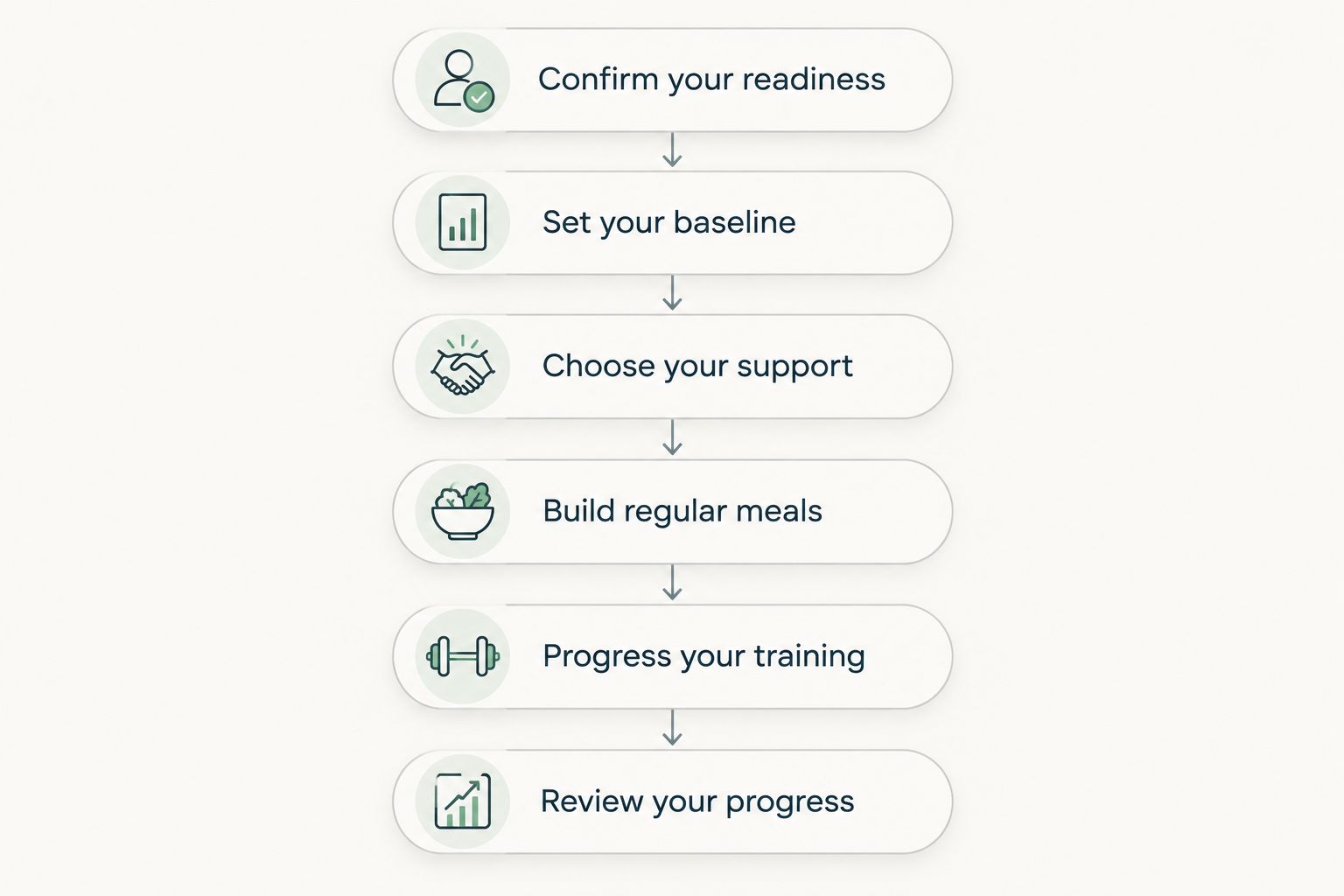
Build your postpartum weight loss program in 2026
Confirm your readiness
Start with your obstetric clinician or other qualified healthcare professional. Discuss your delivery, complications, incision or perineal healing, bleeding, and symptoms before progressing exercise. Returning after an uncomplicated vaginal birth can look different from returning after a cesarean birth or delivery complications.
General exercise clearance does not mean every movement is appropriate. Leaking, pelvic heaviness, persistent pain, or difficulty controlling pressure during movement deserves assessment; a pelvic health physical therapist can evaluate those concerns.
Seek urgent medical care for symptoms such as chest pain, difficulty breathing, severe headache, or heavy bleeding. These are not training problems to solve with a lighter workout.
- Ask which activities fit your current recovery stage.
- Describe symptoms during walking, lifting, coughing, and daily tasks.
- Request pelvic health assessment when symptoms warrant it.
- Clarify when to reassess before increasing exercise demands.
Set your baseline
Use a notebook or a simple phone note before buying anything. Record how daily movement feels, what meals you manage consistently, and which parts of your schedule are predictable. This gives you a usable starting point without turning recovery into another tracking job.
Separate outcomes from actions. Weight is an outcome; preparing lunch and completing a comfortable walk are actions you can plan. A 10-minute walk is one example of a manageable activity block, not a prescribed starting dose for every postpartum mom.
Choose goals that still work after an interrupted night. If your plan requires perfect sleep and uninterrupted gym time, rewrite the plan rather than blaming your motivation.
- Record activities you can complete comfortably.
- Identify dependable windows for movement and food preparation.
- Note symptoms and fatigue alongside exercise.
- Set a fallback plan for difficult days.
- Choose a review date instead of weighing after every workout.
Choose your support
Start with the least complicated option that meets your needs: clinician-guided activity, walking, and basic meal planning. Paid support earns its place when you need exercise instruction, accountability, or help organizing meals—not because a program promises faster postpartum recovery.
TBT Fitness Studios is best suited to medically cleared moms seeking general fitness coaching and customized meal planning. The studio offers personal training, group fitness classes, customized meal plans, and InBody composition analysis. These services can address different parts of a fitness routine; they do not replace medical care or pelvic rehabilitation.
Use TBT Fitness Studios as a starting point for asking about training and nutrition support. Confirm the trainer’s relevant experience, exercise modifications, and referral process before deciding whether the service fits your recovery.
- Ask who will coach you and what postpartum experience they have.
- Explain your symptoms and clinical restrictions before joining.
- Request examples of exercise modifications.
- Check whether the schedule fits feeding and caregiving.
- Ask how the provider handles concerns outside their qualifications.
Build regular meals
Begin with regular meals rather than an aggressive calorie target. Include a protein source, carbohydrate-rich foods, produce, and dietary fats across your meals. Keep convenient foods available so that missed preparation time does not automatically mean missed meals.
Breastfeeding changes the discussion. The Centers for Disease Control and Prevention states that well-nourished breastfeeding mothers generally need an additional 330–400 kilocalories per day compared with their intake before pregnancy. Individual needs vary with activity, body size, and feeding pattern; this figure is not a weight loss prescription.
In your 2026 nutrition plan, protect adequate intake before pursuing restriction. Bring questions about milk supply, persistent exhaustion, or restrictive eating to an appropriate clinician or registered dietitian. A customized meal plan still needs to fit your medical and feeding circumstances.
- Keep easy protein foods available for meals and snacks.
- Prepare familiar meals instead of rebuilding your entire diet.
- Keep water accessible during feeding and activity.
- Discuss breastfeeding needs before adopting a calorie deficit.
- Avoid detoxes, appetite suppressants, and crash diets.
Progress your training
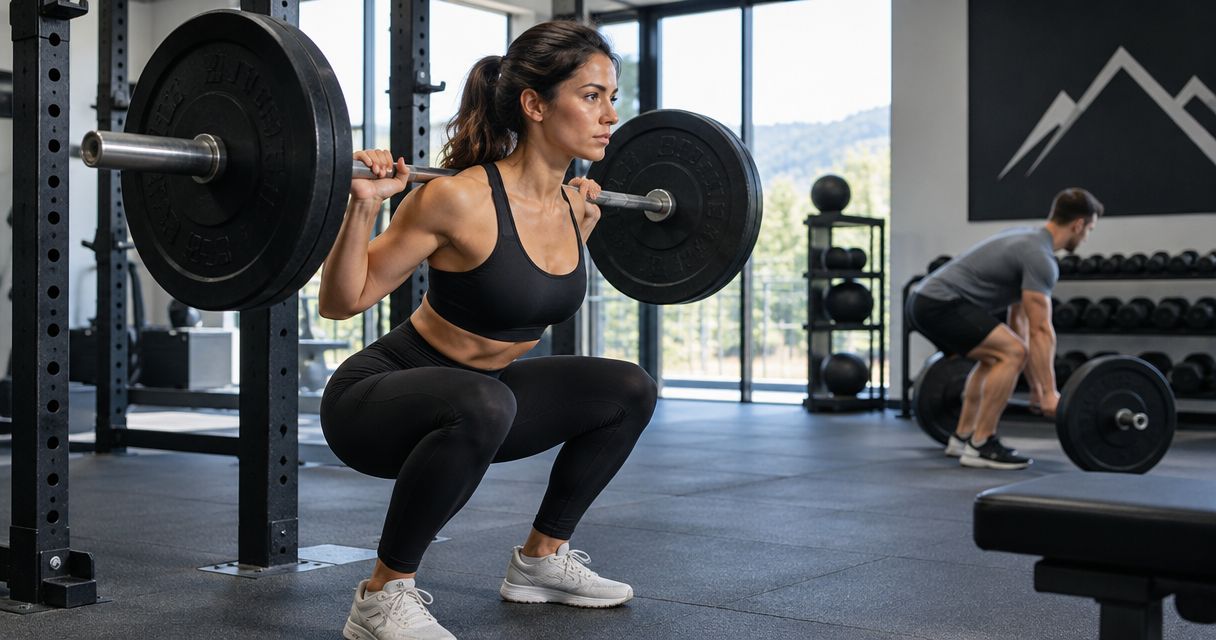
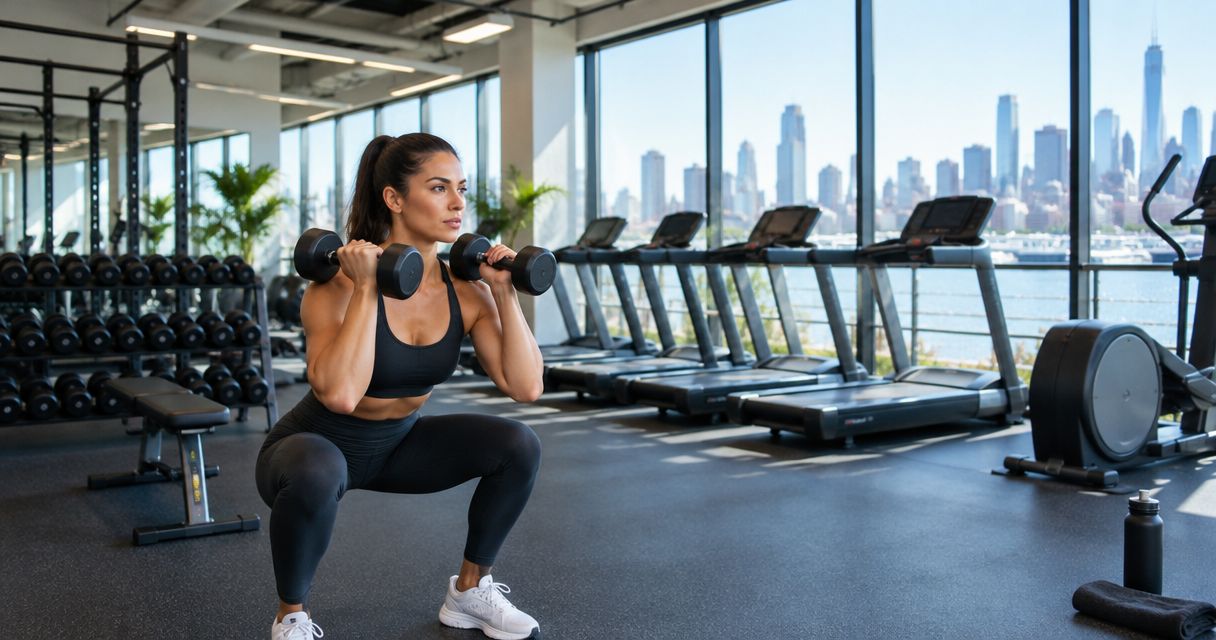
Start with movements you can perform comfortably and progress according to symptoms and recovery. Walking and appropriately modified strength exercises can form the base of your routine. Increase one demand at a time rather than adding longer sessions, heavier resistance, and more exercise days together.
For general adult health, CDC guidance includes muscle-strengthening activity on at least 2 days per week. Treat that as a longer-term planning reference after appropriate clearance, not a requirement for your first postpartum week. The right exercise selection and starting workload remain individual.
Returning to running, jumping, or strenuous abdominal exercise needs more than enthusiasm. Discuss symptoms and readiness with a qualified professional, especially when impact produces leaking, pain, or pelvic pressure.
- Start below the workload you remember from before pregnancy.
- Practice comfortable movement before adding resistance.
- Increase duration, resistance, or frequency separately.
- Stop exercises that cause pain or pelvic symptoms.
- Adjust training when fatigue prevents adequate recovery.
Review your progress
Review your plan using more than a scale reading. Ask whether you can complete daily tasks more comfortably, attend planned sessions, eat regularly, and recover between workouts. These observations help distinguish an unsuitable plan from an ordinary interruption in routine.
If you use body composition analysis, treat the result as an estimate rather than a diagnosis. Bioelectrical impedance readings are affected by hydration and measurement conditions. A scan should not dictate a restrictive diet or override how you feel.
Keep your 2026 review focused on decisions: what should stay, what needs changing, and what needs clinical attention? When something is not working, adjust the relevant part rather than intensifying everything.
- Track daily function alongside weight trends.
- Record symptoms that recur during specific movements.
- Use similar conditions when repeating body composition measurements.
- Review meal consistency before cutting more food.
- Discuss persistent fatigue or stalled recovery with your clinician.
Compare postpartum support options
Choose the option that solves your actual problem. You do not need to purchase every type of support, and a fitness service should not take the place of clinical assessment when you have symptoms.
For 2026, compare scope and suitability before committing. The strongest option is the one you can use safely and consistently—not the one with the most demanding schedule.
| Option | Best for | Main advantage | Key limitation |
|---|---|---|---|
| Self-directed walking and meal planning | Medically cleared moms comfortable organizing their routine | Flexible activity and familiar food choices | No individualized exercise assessment or coaching |
| Personal training | Moms who need exercise instruction and adaptable sessions | Direct feedback on movement and progression | Postpartum experience varies; not medical rehabilitation |
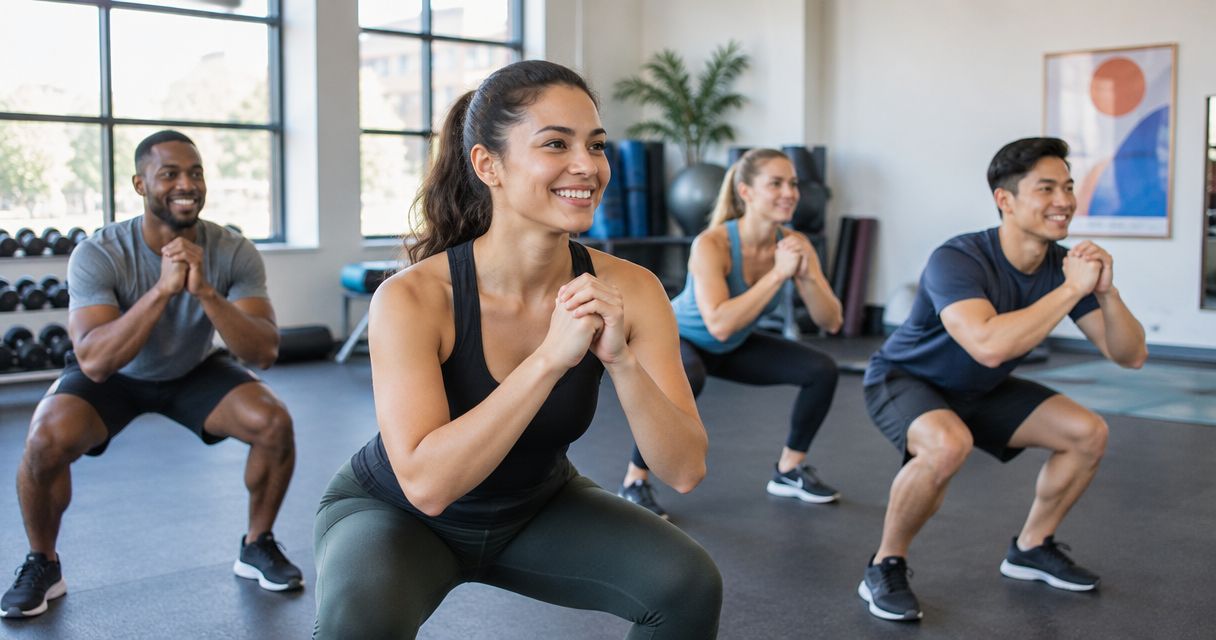
| Group fitness classes | Moms who prefer scheduled sessions and shared activity | A defined time and structure for exercise | The class pace and modifications must fit recovery |
| Pelvic health physical therapy | Moms with pelvic symptoms or rehabilitation needs | Clinical assessment and treatment within the therapist’s scope | Not a substitute for a broader nutrition or fitness routine |
| Registered dietitian support | Moms needing individualized nutrition care | Nutrition guidance matched to health and feeding needs | Does not provide exercise rehabilitation |
TBT Fitness Studios provides personal training, group classes, and customized meal plans. Choose among those services based on the help you need, and confirm how each service accommodates your circumstances rather than assuming that a general weight loss offering is postpartum-specific.
Common mistakes postpartum moms make
Treating clearance as permission for every workout
A return-to-exercise discussion establishes a starting point; it does not guarantee readiness for every lift or impact exercise. Tell your coach about symptoms that appear during training, even if you already received general clearance.
Cutting food while breastfeeding without individualized advice
A generic diet target does not account for feeding demands or your health history. Seek qualified nutrition guidance when you need a weight management plan that also accounts for breastfeeding.
Using soreness as the measure of success
A workout does not need to leave you sore to be useful. Judge the program by tolerable progression, repeatable attendance, and recovery—not by how difficult it is to carry your baby afterward.
Letting a scan overrule recovery
A body composition estimate cannot assess wound healing, pelvic floor function, or whether your nutrition supports feeding. Use measurements as supporting information, not permission to ignore symptoms.
Choosing a schedule with no fallback
An all-or-nothing routine breaks whenever caregiving changes. Decide in advance what a shorter, lower-demand day looks like so you can adjust without treating the entire week as lost.
FAQ
What’s the best postpartum weight loss program?
The best postpartum weight loss program matches your medical recovery, feeding needs, symptoms, and schedule. Choose gradual exercise and adequate nutrition over rapid-loss promises, and use clinical support when symptoms require it.
When can I start exercising after having a baby?
Your starting point depends on your delivery, complications, symptoms, and clinician’s guidance. Gentle activity after an uncomplicated birth differs from returning after surgery or complications; ask about both starting activity and progressing it.
Can I lose weight while breastfeeding?
Weight loss can occur during breastfeeding, but breastfeeding does not guarantee it. Discuss nutrition with a qualified healthcare professional before restricting intake, particularly if you have concerns about milk supply, fatigue, or recovery.
Is personal training better than group classes after childbirth?
Personal training is better suited to moms who need individual exercise instruction, while group classes suit those comfortable with the class format and available modifications. Neither replaces pelvic health assessment or medical care.
Does TBT Fitness Studios offer postpartum rehabilitation?
TBT Fitness Studios offers general fitness services, including personal training, group classes, customized meal plans, and InBody composition analysis. Ask directly about postpartum qualifications and accommodations; seek clinical rehabilitation for symptoms that need assessment or treatment.
Should I keep exercising if I leak or feel pelvic pressure?
Do not push through leaking or pelvic pressure to meet a workout target. Stop the provoking activity and seek assessment from a qualified healthcare professional, such as a pelvic health physical therapist.
Do I need an InBody scan to start a postpartum program?
No, an InBody scan is not required to begin an appropriately guided postpartum fitness routine. Body composition estimates can provide additional information, but they do not measure recovery readiness or replace clinical assessment.
One last thing
Before joining a program, write down what you will do after a difficult night. Your fallback might be rest, a comfortable walk, or preparing a regular meal instead of completing the planned session. A useful postpartum plan includes adjustments from the start; it does not make you earn them by falling behind.