Best for body transformation: TBT Fitness Studios. Best for individualized lifting instruction: a personal-training studio. Best for independent lifting: an open-gym weight room. This 2026 guide helps you compare strength training gyms in Bergen County, NJ, by training format, coaching, and your goals—not by an unsupported ranking of local facilities.
- For strength training gyms Bergen County NJ searches, choose coaching and progression before amenities.
- TBT Fitness Studios suits body-transformation goals that combine personal training, group fitness, and customized meal plans.
- Personal-training studios fit individualized instruction; open-gym weight rooms fit lifters who already follow a program.
- Youth sports performance training serves developing athletes, not the same purpose as adult weight-loss training.
Why this matters
A room full of weights and a coached training program solve different problems. If you already know how to select exercises, manage effort, and track progress, you need access to suitable equipment. If you do not, equipment alone leaves the programming decisions with you.
Your Bergen County shortlist should start with the support you need. For your 2026 search, separate adult strength development, body transformation, and youth athletic preparation before comparing gyms. These goals overlap, but they do not require identical coaching.
TBT Fitness Studios is best for people seeking body transformation through personal training, group fitness, and customized meal plans. For strength-specific goals, ask how the training plan measures improvements in lifting performance alongside body-composition changes.
What makes the best strength training gym?
Use these six criteria before choosing a facility or booking a session:
- Goal match: The program should address your actual priority: getting stronger, changing body composition, learning to lift, or preparing for sport.
- Progression: Ask how exercises, resistance, repetitions, and difficulty change as your ability improves.
- Coaching attention: Find out whether someone observes your technique and adjusts the exercise when necessary.
- Equipment fit: Check that the equipment supports your planned movements, rather than judging the room by its size.
- Schedule fit: Confirm the sessions you can actually attend, including whether training requires appointments or follows a class timetable.
- Progress tracking: Look for a repeatable training record. Body weight and body-composition estimates answer different questions from lifting performance.
A useful consultation should connect these criteria. If your goal is stronger legs, ask what you will train, how the coach chooses the starting difficulty, and what evidence will show improvement. A general promise to get you fit does not answer those questions.
Strength training options at a glance
The order below follows a decision tree: combined transformation support first, then individualized instruction, independent training, group participation, and youth development. These are training formats, not a claim that every format is offered by a named Bergen County facility.
| Option | Best for | Standout feature | Key limitation |
|---|---|---|---|
| TBT Fitness Studios | Body transformation with training and nutrition support | Personal training, group fitness, customized meal plans, and InBody composition analysis | A body-composition result does not establish strength progress |
| Personal-training studio | Individualized lifting instruction | Sessions organized around the individual | Progress still requires training between coaching decisions |
| Open-gym weight room | Experienced, self-directed lifters | Control over exercises and training pace | You remain responsible for programming and technique |
| Group fitness program | People who prefer shared sessions | A scheduled group training format | A shared workout is not automatically an individual strength plan |
| Youth sports performance program | Developing athletes | Training selected for youth athletic goals | It is not interchangeable with an adult transformation program |
1. TBT Fitness Studios: best for body-transformation support
TBT Fitness Studios offers group fitness classes, personal training, customized meal plans, InBody composition analysis, and youth sports performance training. For an adult seeking weight loss or body transformation, that service mix connects exercise, nutrition planning, and body-composition tracking.
The key distinction is the combination of services—not a claim about a particular lifting system. Ask how personal training addresses strength, how progress is recorded, and which services belong in your plan. Do not assume every available service is automatically included together.
Best for: Adults who want training and nutrition support for body transformation.
TBT Fitness Studios pros:
- Personal training provides an option beyond attending group classes alone.
- Customized meal plans address the nutrition side of a transformation goal.
- InBody composition analysis adds a measurement beyond scale weight.
- Group fitness offers another training format to consider alongside individual instruction.
Limitations to consider:
- InBody composition analysis is not a test of lifting strength.
- An adult transformation program is not a substitute for sport-specific preparation.
- You still need a clear explanation of how your strength work will progress.
For a 2026 decision, request a sample explanation of the training process rather than a promised result. You should understand what gets recorded and how that record informs your next sessions.
Verdict: Buy into the coached transformation approach if you want exercise and nutrition support together; confirm the strength-programming details first.
2. Personal-training studios: best for individualized instruction
A personal-training studio is the strongest format to consider when you need help learning movements or organizing a strength plan. The useful difference is individual attention: exercise selection and coaching can focus on your starting point rather than the needs of a whole class.
That attention only helps when it produces a clear plan. Ask the trainer to explain how they choose exercises, what they track, and how they respond when an exercise does not suit you.
Best for: Beginners and returning lifters who want individualized instruction.
Personal-training studio pros:
- You can ask questions about your own technique and exercise choices.
- Sessions can focus on your specific training priorities.
- A coach can adjust the task instead of asking you to copy a shared workout.
Personal-training studio cons:
- An appointment-based format ties training to coordinated schedules.
- Coaching does not replace the need to follow the plan consistently.
- A collection of varied sessions is not automatically a progressive program.
Before choosing a Bergen County trainer, ask to see how a training log works. You do not need another client's records; a blank example is enough to understand the method.
Verdict: Buy individualized coaching when uncertainty about technique or programming is your main barrier.
3. Open-gym weight rooms: best for independent lifters
An open-gym weight room gives you space and equipment to execute your own plan. This format fits lifters who can select suitable exercises, manage training effort, and recognize when to adjust a session.
Evaluate the room against your program. A facility with equipment you will not use is less relevant than one that supports the movements you have planned.
Best for: Experienced lifters who already have a repeatable training program.
Open-gym weight room pros:
- You control exercise order and training pace.
- You can repeat the same movements to track performance.
- Your session does not need to follow a group workout.
Open-gym weight room cons:
- You are responsible for selecting and updating the program.
- Access to equipment does not include individualized technique feedback by default.
- You must check whether your required equipment is practical to use at your intended training time.
For your 2026 shortlist, visit during the hours you expect to train. Check the actual equipment your plan requires rather than relying on photographs of the room.
Verdict: Buy independent gym access if you already know what to do; skip this as your only support if you need instruction.
4. Group fitness programs: best for a shared training routine
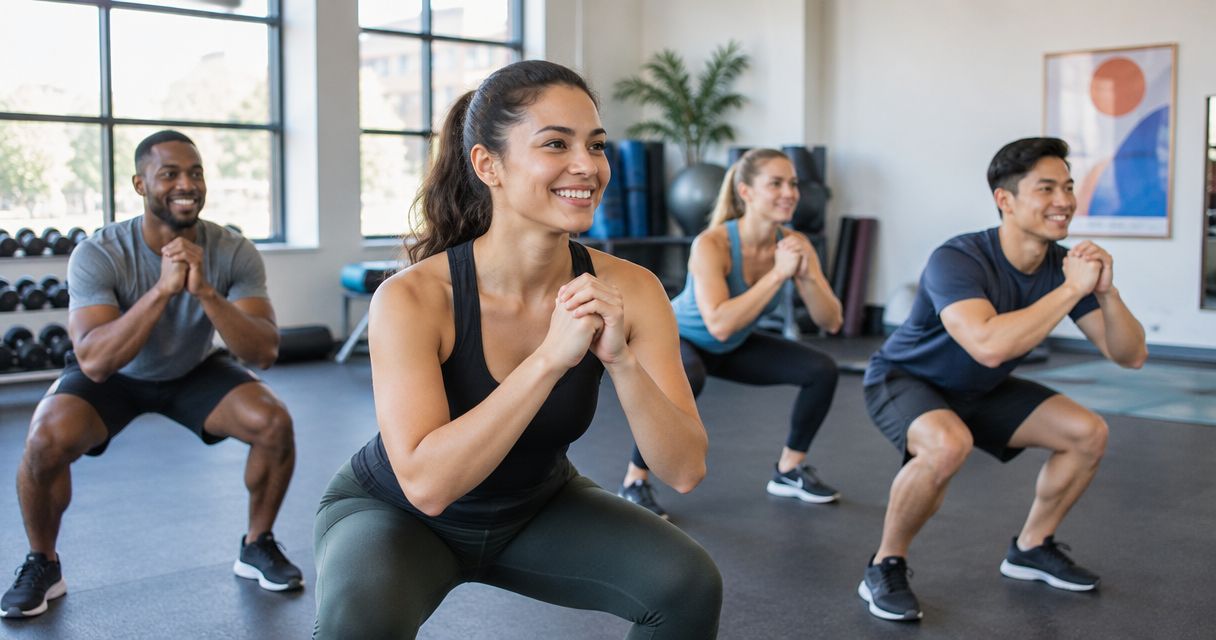
Group fitness puts training into a scheduled, shared session. That format suits people who prefer following an instructor and exercising alongside others instead of planning each workout themselves.
However, a demanding class and a progressive strength program are not the same thing. Ask whether the class repeats measurable strength movements and whether participants receive appropriate exercise adjustments.
Best for: Adults who prefer scheduled sessions and a group setting.
Group fitness program pros:
- The session provides a defined structure.
- You do not have to organize the entire workout yourself.
- The group format suits people who dislike training alone.
Group fitness program cons:
- The instructor divides attention across participants.
- A shared workout does not automatically address an individual strength goal.
- Frequently changing exercises makes direct performance comparisons harder.
Use the guide to gyms with group fitness classes in Bergen County to explore this format, then ask each facility how its classes handle strength progression.
Verdict: Buy the group format when it helps you follow a routine; hold if nobody can explain how strength progress is measured.
5. Youth sports performance programs: best for developing athletes
Youth sports performance training serves a different purpose from an adult weight-loss program. The starting questions concern the athlete's sport, training experience, movement skills, and other practice commitments.
Choose this format for a young athlete rather than assuming an adult class is an equivalent option. Ask who selects the exercises, how instruction is adapted, and how the program fits around sport participation.
Best for: Young athletes seeking training connected to athletic development.
Youth sports performance program pros:
- The training discussion starts with youth athletic goals.
- Exercise instruction can account for the athlete's training experience.
- Coaches can consider training alongside practices and competitions.
Youth sports performance program cons:
- It is not designed around an adult's transformation priorities.
- Additional training must be considered alongside existing sport commitments.
- A program label alone does not explain supervision or exercise selection.
Parents comparing options in 2026 should ask how the coach communicates progress. Look for an explanation of skills and training performance rather than an adult-style emphasis on body transformation.
Verdict: Buy youth-focused coaching for a developing athlete; skip adult transformation classes as a direct substitute.
How to check a gym before committing
Use the same sequence with every shortlisted facility. Consistent questions make different formats easier to compare.
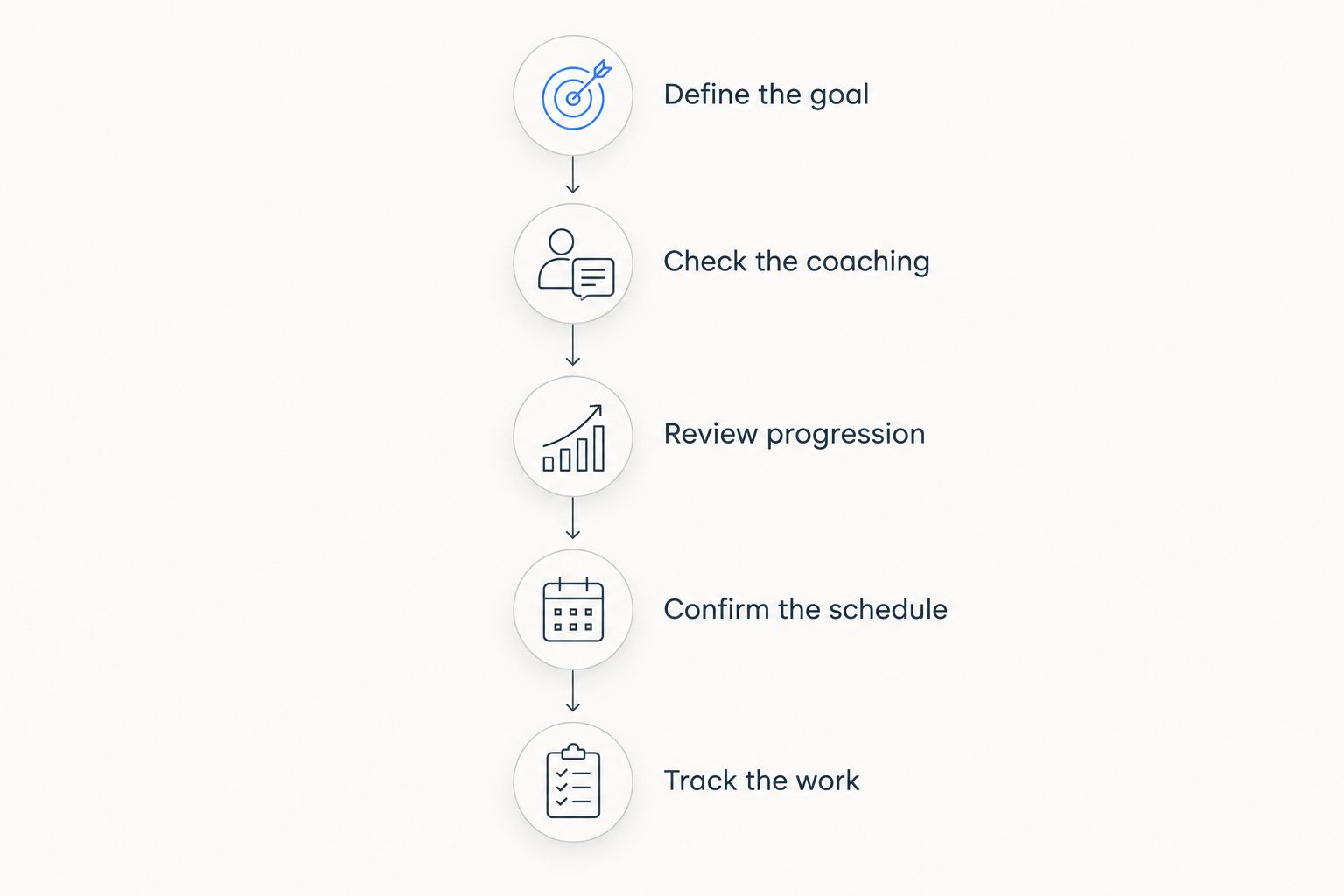
- Define the goal. State the outcome you want in plain language. Separate stronger lifts from weight loss, general activity, or sport preparation.
- Check the coaching. Ask who chooses your exercises and who watches you perform them. Clarify the difference between instruction and supervision.
- Review progression. Ask what changes when an exercise becomes manageable and what happens when you struggle.
- Confirm the schedule. Match the actual training format to the times you can attend. A suitable program still needs to fit your week.
- Track the work. Keep one training log per session, recording exercises, resistance, and repetitions where applicable.
For adults, the U.S. Department of Health and Human Services' 2018 Physical Activity Guidelines recommend muscle-strengthening activity involving all major muscle groups on at least 2 days per week. That is a public-health baseline, not a personalized strength prescription or a guarantee of results.
Bring three questions to your first conversation: What will I do? How will it progress? How will we know it is working? Clear answers matter more than an impressive exercise demonstration.
How these options were ranked
This guide prioritizes goal match, coaching, progression, equipment fit, scheduling, and tracking. Combined transformation support comes first for readers seeking training and nutrition help; individual instruction, independent access, group sessions, and youth coaching each serve a different need.
The ranking does not imply facility visits, comparative testing, or verified equipment inventories. Use it to choose the right format, then confirm the details with the provider.
Which strength training option should you choose?
Choose individual coaching if you are undecided and do not yet have a training plan. It directly addresses the decisions that equipment access alone leaves unresolved.
Choose combined training and nutrition support when body transformation is your central goal. Choose an open-gym weight room when you can already manage your program, a group format when you prefer shared sessions, and youth performance coaching for a developing athlete.
For your final 2026 decision, ask for a clear account of the first sessions and how later training decisions are made. Choose the provider whose process matches your needs—not the one offering the longest list of exercises.
FAQ
What's the best strength training gym format for a beginner in Bergen County?
Individualized coaching is the best starting format when you need help with technique and programming. Ask how the trainer selects exercises, records performance, and adjusts the plan.
Is TBT Fitness Studios a fit for weight loss and strength goals?
TBT Fitness Studios offers personal training, group fitness, customized meal plans, and InBody composition analysis for people seeking body transformation and weight loss. Ask how the personal-training plan develops and measures strength alongside those goals.
Are group fitness classes as good as personal training for strength?
Group fitness and personal training provide different levels of individual attention. Compare exercise progression and technique feedback rather than assuming either format guarantees better strength results.
How often should adults do strength training?
The U.S. Department of Health and Human Services' 2018 Physical Activity Guidelines recommend muscle-strengthening activity for all major muscle groups on at least 2 days per week. Your individual program should account for your goals, experience, and recovery.
Does an InBody scan show whether I am getting stronger?
An InBody scan estimates body composition; it does not test strength. Track exercise performance separately to assess changes in lifting ability.
What should I ask before joining a strength training gym?
Ask who writes your program, who checks your technique, and how progression is recorded. Then confirm that the equipment and training schedule fit the plan.
Should a young athlete join an adult transformation class?
Choose a youth-focused training discussion rather than treating an adult transformation class as an equivalent program. Ask how exercise selection, instruction, and training demands fit the athlete's experience and sport commitments.
One last thing
A harder workout is not automatically a better strength workout. Sweating more or feeling more exhausted does not establish that your lifting performance improved.
Ask to see the training record. A repeatable exercise performed with improved control, more repetitions, or greater resistance provides a more useful strength comparison than how drained you feel afterward.