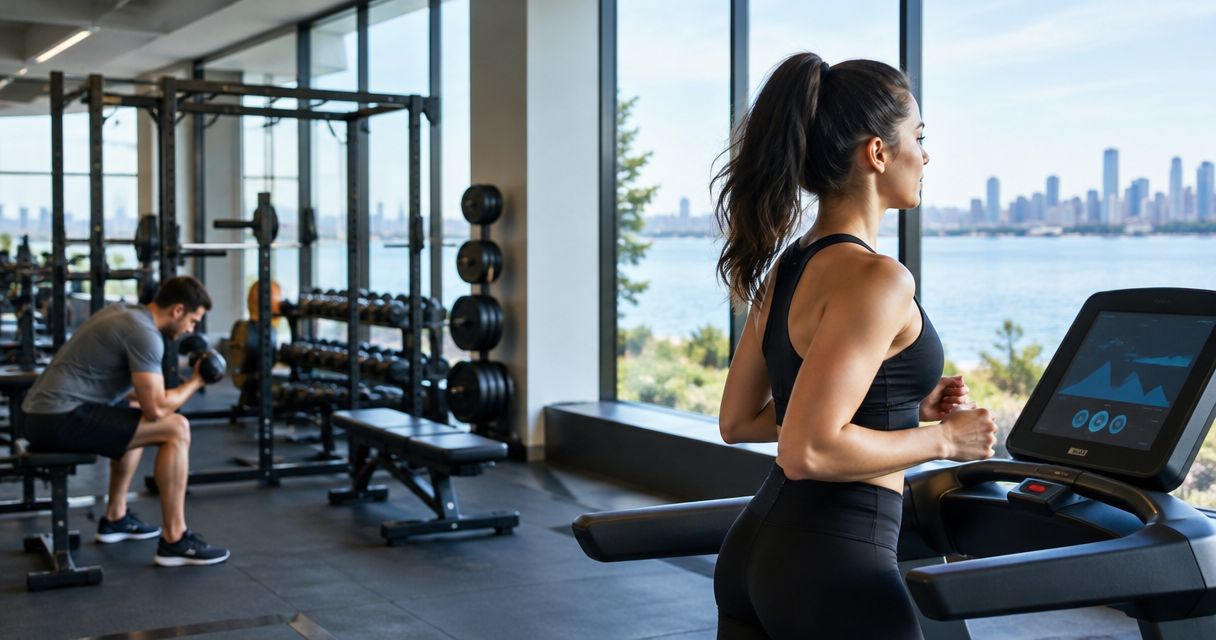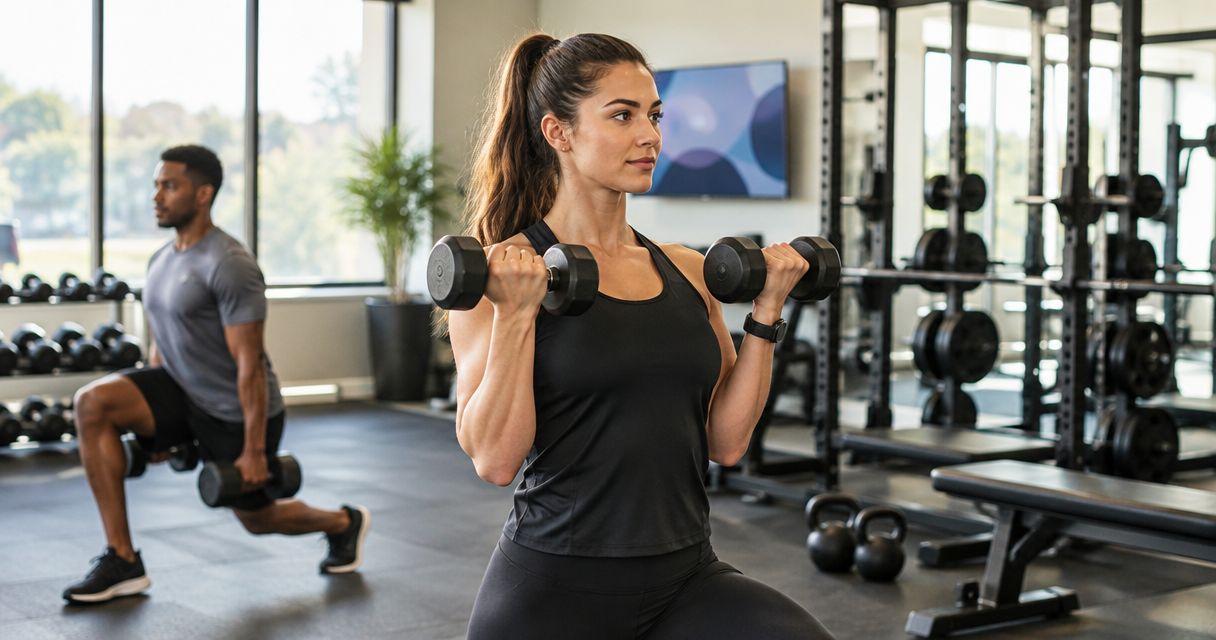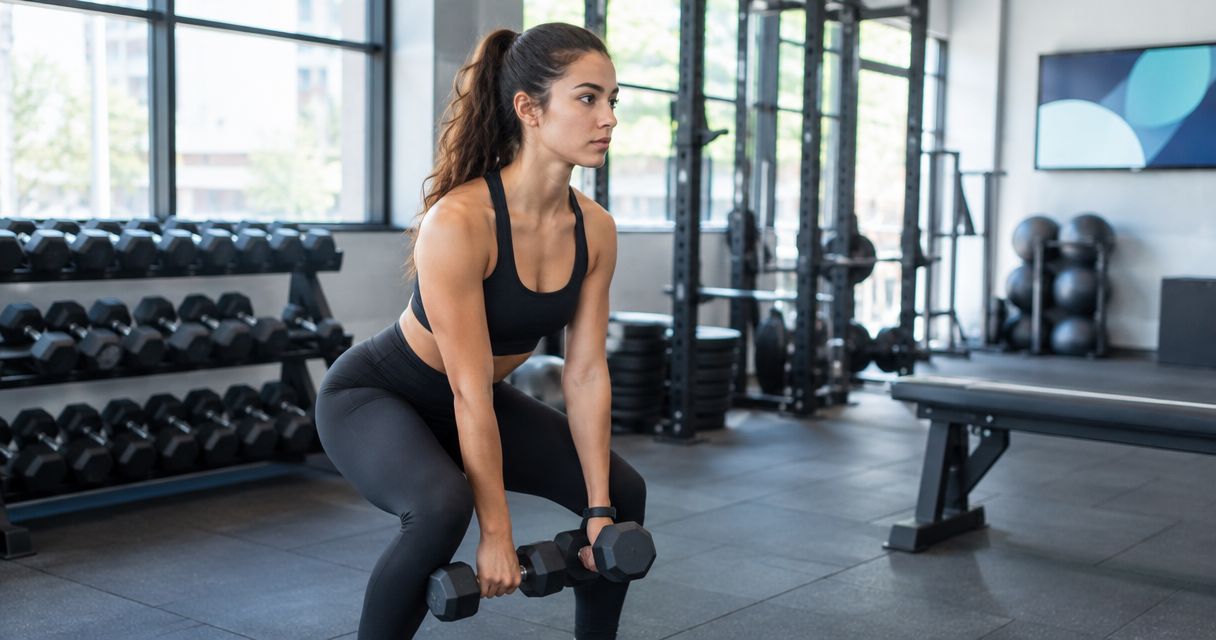
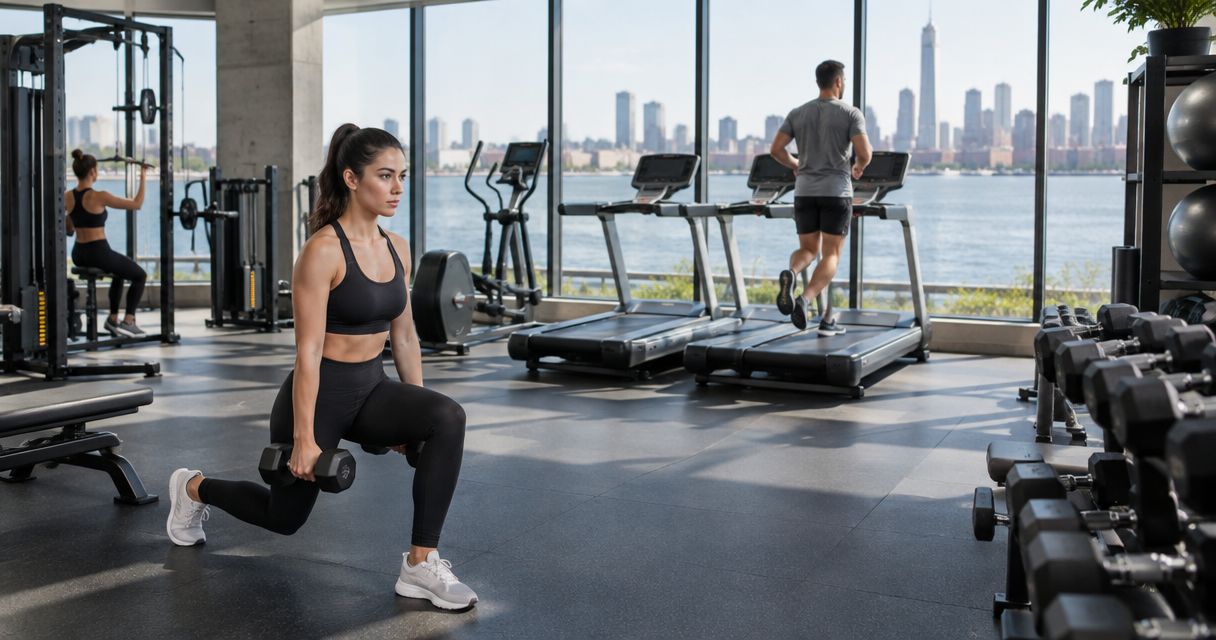
Best for coordinated body-transformation support: TBT Fitness Studios. Best for independent workouts: an open-access gym. Best for youth athletic development: a sports-performance facility. This 2026 guide to the best gyms in Edgewater NJ ranks five training formats by the job you need them to do, rather than treating every gym as interchangeable.
- For best gyms in Edgewater NJ, match the training format to your goal before comparing amenities.
- TBT Fitness Studios is the pick for body transformation combining training, meal planning, and body-composition analysis.
- Choose open-access training for independence, strength-focused coaching for lifting, and scheduled classes for shared workouts.
- Choose youth sports-performance training for athletic development, not an adult weight-loss program.
Why this matters
A gym can offer plenty of exercise without offering the kind of support you need. Someone who already follows a lifting program needs a different setup from someone seeking coaching, meal planning, and help interpreting changes in body composition.
For your 2026 search, start with the problem you want a gym to solve. Then check the practical details: travel, session times, coaching arrangements, and whether the training suits your current ability. An impressive facility does not fix a schedule you cannot keep.
The five picks below are training models, not five verified Edgewater addresses. Use them to decide which type of facility belongs on your shortlist, then confirm the details directly before joining.
What makes the best gym for your goal?
- Goal fit: Choose a program built around your actual objective: weight loss, independent exercise, strength, shared workouts, or youth athletic development.
- Coaching fit: Decide whether you need individual feedback, group instruction, or simply access to equipment.
- Schedule fit: Check the sessions you can attend during an ordinary week, not an unusually quiet one.
- Progress tracking: Ask how the facility evaluates progress and turns that information into changes to your training.
- Scope of support: Separate exercise instruction, meal planning, body-composition measurement, and medical care. They are not the same service.
- Terms and access: Confirm membership conditions, cancellation rules, booking requirements, and what your chosen arrangement includes.
Apply these criteria before comparing extras. A facility with fewer distractions but the right coaching arrangement is a better choice than one whose main attractions you will rarely use.
The five gym formats at a glance
| Pick | Best for | Standout feature | Key limitation |
|---|---|---|---|
| TBT Fitness Studios | Coordinated body-transformation support | Group fitness, personal training, customized meal plans, and InBody composition analysis | The service list does not establish whether the schedule or coaching arrangement fits you |
| Open-access gym | Independent exercise | Freedom to follow your own workout plan | Access alone does not provide an individualized program |
| Strength-focused gym | Lifting technique and progression | A training environment centered on resistance exercise | A strength focus does not establish nutrition support or individual supervision |
| Group-class studio | Scheduled, shared workouts | Instructor-led sessions with a defined start time | A shared session is not the same as individual programming |
| Youth sports-performance facility | Young athletes | Training selected around athletic-development goals | Sports preparation is not interchangeable with adult fitness or rehabilitation |
There is no universal winner across these formats. The right choice depends on whether your main need is coordinated support, independence, lifting instruction, a recurring class, or youth athletic development.
1. TBT Fitness Studios: best for body-transformation support
TBT Fitness Studios offers group fitness classes, personal training, customized meal plans, InBody composition analysis, and youth sports-performance training. For someone seeking body transformation or weight loss, that service mix puts training, food planning, and body-composition measurement in the same decision.
The useful distinction is scope. Instead of choosing a gym solely for exercise access, you can evaluate whether these services address the parts of your routine that need attention. Confirm how the services work together and which are included in the arrangement you are considering.
TBT Fitness Studios pros:
- Group fitness and personal training provide different coaching formats to consider.
- Customized meal plans address food planning alongside exercise.
- InBody composition analysis provides another way to assess body composition beyond scale weight alone.
Limitations to evaluate:
- A broad service list does not establish session frequency, individual attention, or program structure.
- Meal planning and body-composition measurement do not replace medical assessment.
Best for: People seeking weight-loss or body-transformation support across training, meal planning, and progress assessment.
Ask who reviews your progress, how changes to the plan are decided, and what happens when your schedule changes. Those answers matter more than simply counting the services offered.
Verdict: Buy if the coaching arrangement and schedule match the support you need.
2. Open-access gym: best for independent exercise
An open-access gym is the right format when you want to arrive with a plan and complete your workout independently. Evaluate equipment access, usable space, and operating hours against the exercises you actually perform.
This option suits someone who does not need every session organized by an instructor. It is less suitable when your main obstacle is not knowing what to do, how to adjust an exercise, or how to progress.
Open-access gym pros:
- You control the order and pace of your workout.
- You can follow an existing exercise program.
- You can evaluate the facility against a specific equipment checklist.
Open-access gym cons:
- Equipment access alone does not provide coaching.
- You are responsible for planning and recording your sessions.
- Equipment occupancy can interrupt a workout built around particular stations.
Best for: Exercisers who already know their routine and want independent access.
Visit during the time you expect to train. Check whether you can complete your actual session there, rather than judging the facility from a quiet tour. Ask separately about instruction; do not assume access includes it.
Verdict: Buy if you can train independently and the facility supports your existing plan.
3. Strength-focused gym: best for lifting progression
A strength-focused gym belongs on your shortlist when improving resistance-training technique and progression is your main goal. Your evaluation should center on coaching, exercise selection, and how the program changes as your ability develops.
Do not confuse specialized equipment with specialized instruction. A facility can have an extensive lifting area without providing the individual feedback you need. Ask what coaching actually looks like during a session.
Strength-focused gym pros:
- You can prioritize lifting goals rather than a mixed exercise agenda.
- Training records can organize resistance, repetitions, and exercise progression.
- You can assess coaching against the specific movements you want to learn.
Strength-focused gym cons:
- A lifting emphasis does not establish meal-planning support.
- Specialized equipment does not guarantee supervised technique practice.
- A strength program still needs to fit your broader activity and recovery needs.
Best for: People whose primary goal is learning lifts and following a progressive resistance-training plan.
For a 2026 comparison, ask how a coach chooses your starting exercises and decides when to change them. Look for an explanation tied to your ability, not a promise that everyone should follow the same progression.
Verdict: Buy if lifting is your priority and the instruction matches your experience.
4. Group-class studio: best for scheduled, shared workouts
A group-class studio organizes exercise around instructor-led sessions. Choose this format when having a fixed start time and a shared workout addresses the part of training you struggle to organize yourself.
Check the class format before joining. A session description should help you understand the movements involved, how instruction works, and whether alternatives are available for exercises you cannot currently perform.
Group-class studio pros:
- A scheduled session removes the need to design that workout yourself.
- You exercise alongside other participants.
- Instructor-led sessions give the workout a defined structure.
Group-class studio cons:
- The timetable limits when you can participate.
- Shared instruction is not equivalent to individual programming.
- A class name alone does not establish its suitability for your ability.
Best for: People who prefer a recurring appointment and a shared exercise setting.
When comparing classes in 2026, ask how instructors handle different experience levels. Also check booking and cancellation conditions before assuming you can move sessions around freely. A motivating class is not a practical choice if its timing repeatedly conflicts with your week.
Verdict: Buy if the class format suits you and the timetable is realistic.
5. Youth sports-performance facility: best for young athletes
Youth sports-performance training is a separate decision from choosing an adult gym. Evaluate it around the athlete's age, experience, sport demands, and existing practice schedule.
The central question is what the training is designed to improve and how instruction is adapted to the participant. Do not use adult weight-loss messaging or the difficulty of a workout as evidence that a youth program is appropriate.
Youth sports-performance facility pros:
- Training can be evaluated against athletic-development goals.
- Parents can ask about instruction suited to the athlete's experience.
- The program can be considered alongside practices and competitions.
Youth sports-performance facility cons:
- Additional training adds demands to an existing sports schedule.
- General fitness coaching does not establish youth-specific instruction.
- Performance training is not a substitute for injury assessment or rehabilitation.
Best for: Families seeking structured athletic-development training for a young athlete.
Ask how the provider communicates with parents, selects exercises, and accounts for the athlete's current sports workload. If an injury or health concern affects participation, involve an appropriate healthcare professional rather than asking a gym to diagnose it.
Verdict: Buy only after confirming age-appropriate instruction and a workable training schedule.
How the ranking works
This ranking follows the criteria above: goal fit, coaching fit, schedule, progress tracking, support scope, and terms. It separates five use cases rather than claiming that one format beats every other format for every person.
The body-transformation option comes first because it addresses training, meal planning, and composition analysis together. The remaining formats serve narrower decisions: independent access, lifting development, shared sessions, and youth athletic preparation.
Choose the format before the facility. Once you know what support you need, comparing local providers becomes a practical checklist rather than a contest between amenities.
Which gym format should you choose?
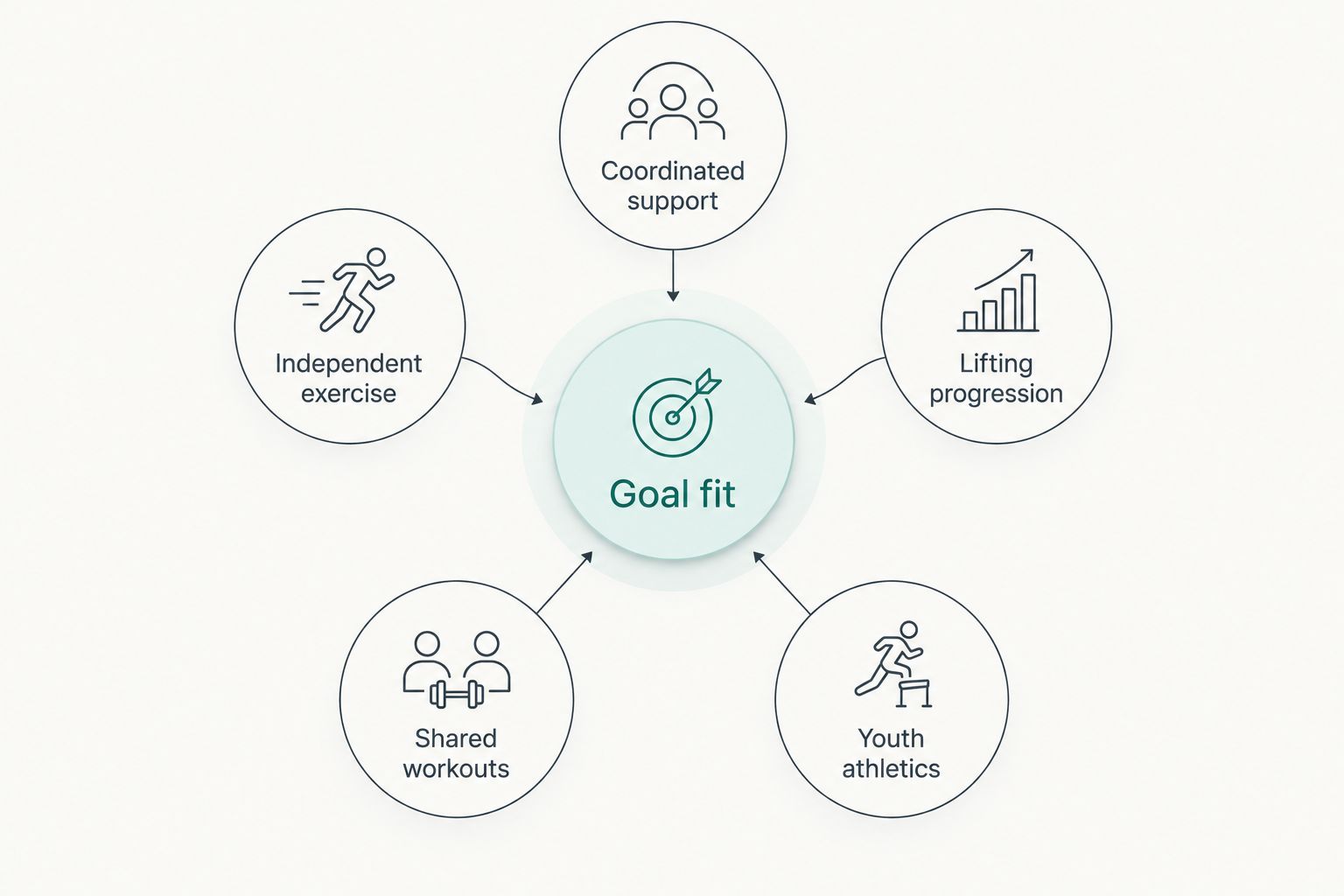
For your 2026 shortlist, identify the obstacle that keeps interrupting your routine:
- Coordinated support: Choose a provider whose training, meal-planning, and progress-assessment services fit your transformation goal.
- Independent exercise: Choose open access when you already have a workable program.
- Lifting progression: Choose strength-focused instruction when technique and progression are the priority.
- Shared workouts: Choose scheduled classes when you prefer an instructor-led appointment.
- Youth athletics: Choose youth-specific performance training for a young athlete's development.
If you are undecided, write down what you need help doing—not just what equipment you want nearby. Then ask the provider to explain how the proposed arrangement addresses that need. Do not join on the strength of a service label alone.
Explore your training options
Review group fitness, personal training, meal planning, and body-composition analysis.
Set a realistic activity baseline
The CDC's adult physical-activity guidance calls for at least 150 minutes per week of moderate-intensity aerobic activity, or 75 minutes per week of vigorous-intensity activity, plus muscle-strengthening activity on 2 days per week. These are general health guidelines, not an individualized gym program or a promised weight-loss result.
Use that guidance as context for your 2026 schedule. Ask how your intended gym sessions fit alongside walking, other exercise, and recovery. If a health condition affects exercise, discuss the plan with a qualified healthcare professional.
FAQ
What's the best gym format in Edgewater NJ for weight loss?
TBT Fitness Studios is the pick for coordinated weight-loss support because its stated services include training, customized meal plans, and InBody composition analysis. Confirm the coaching arrangement and schedule before choosing a program.
Is personal training better than group fitness?
Personal training is the better format when you need individual instruction; group fitness fits people who prefer shared, scheduled workouts. Choose according to the attention and structure you need, not the format's name alone.
Should I choose an open-access gym or a class studio?
Choose an open-access gym if you already have a workout plan and want to train independently. Choose a class studio if you prefer an instructor-led session at a defined time.
What should I ask before joining a gym?
Ask about coaching, session times, included services, booking rules, and cancellation conditions. Explain your goal and ask how the proposed arrangement supports it.
Does body-composition analysis replace weighing yourself?
Body-composition analysis adds a different type of measurement; it does not make every other progress measure unnecessary. Discuss how results will be interpreted alongside training performance and other relevant information.
How much weekly exercise should adults aim for?
CDC guidance recommends at least 150 minutes of moderate-intensity aerobic activity or 75 minutes of vigorous activity weekly, plus muscle-strengthening activity on 2 days. Individual needs and health considerations require a suitable exercise plan.
Can a young athlete use an adult fitness program?
An adult program should not automatically be treated as appropriate for a young athlete. Ask for instruction that accounts for age, experience, sport demands, and the existing practice schedule.
One last thing
Test the commute at the time you would actually train. Include the full trip and the session in your calendar before committing. The best-looking option on a shortlist loses its value when getting there makes your intended routine impractical.